
The Fertilizer Bottleneck Hiding Behind Food Prices
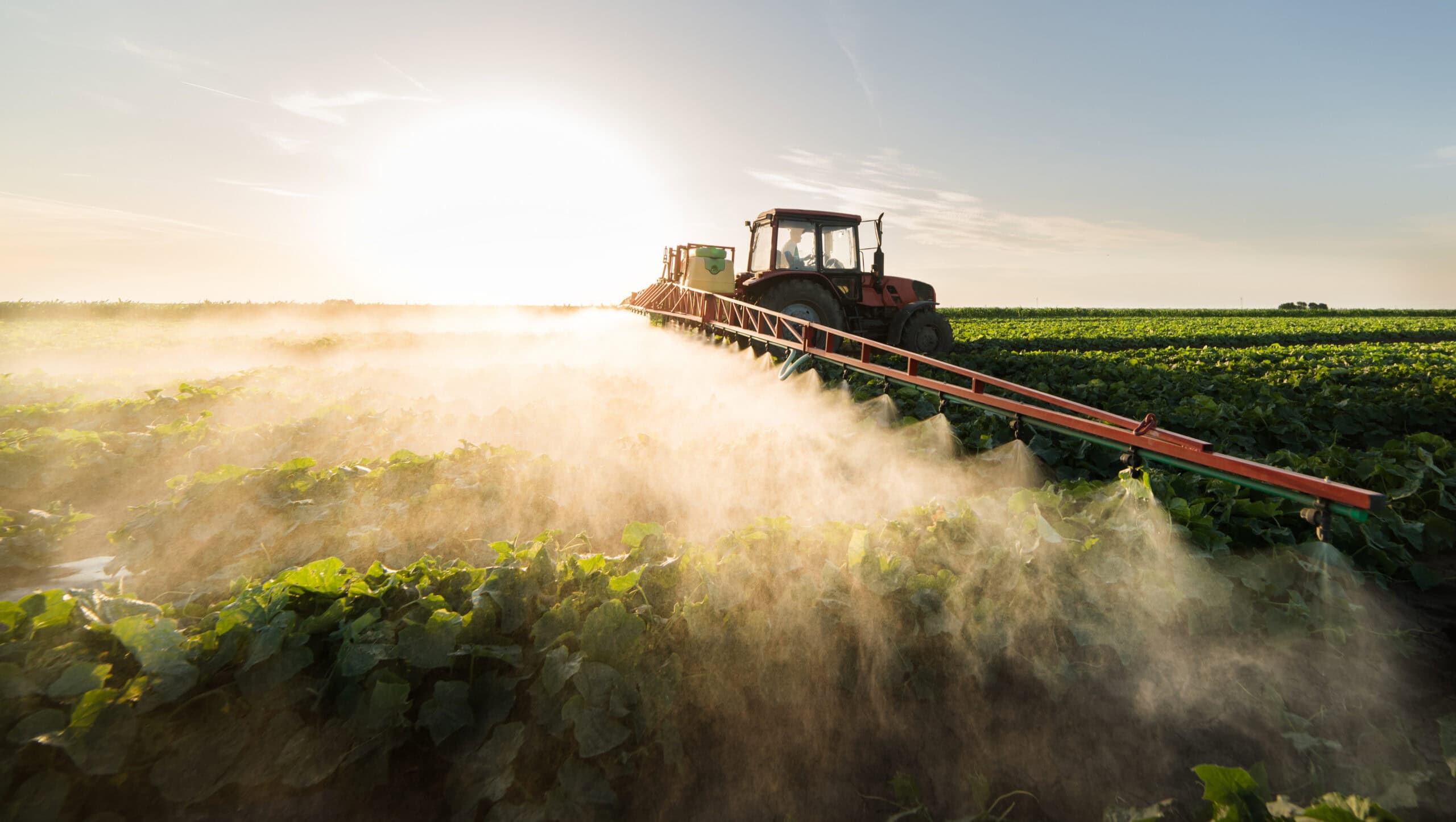
Food prices usually get noticed at the grocery shelf. A tomato costs more. A bag of flour feels oddly expensive. A restaurant menu quietly drops a side dish or raises the price of a bowl by a dollar.
By then, the real story is already old.
Some of the pressure started months earlier, before the crop was planted, when growers were trying to secure the right fertilizer at the right price and get it close enough to the field before the application window closed.
That part of the supply chain is easy to miss because fertilizer doesn’t look like a consumer product. It moves in bulk, often through ports, rail terminals, barges, storage sites, cooperatives, and distributors. But when that system gets tight, the consequences eventually show up in food costs, crop decisions, and procurement plans downstream.
Fertilizer Is an Input With a Deadline
Fertilizer is not a generic supply that can arrive whenever the market calms down. Farmers apply nutrients around planting schedules, crop stages, soil conditions, and weather windows. A delayed shipment in February or March can matter more than a cheaper shipment in June.
That’s what makes fertilizer logistics different from many other purchasing problems. A manufacturer may be able to run down inventory for a few weeks or switch production schedules. A grower has less room to maneuver once the field is ready. If the needed nutrient isn’t available, or if the price makes the planned application uneconomic, the decision changes fast.
Potash is a good example because it’s essential for many crops, but it also depends on a specialized mining and distribution network. When a buyer is trying to understand why a potassium input can become a pricing issue, even a basic explanation of potash fertilizer helps frame the logistics question: this is not just a farm expense, it’s a mined commodity that has to move through a long chain before it reaches the acre. Any weak point in that chain can narrow the options available to growers.
The timing is unforgiving. A cooperative may need to position inventory before spring demand spikes. A distributor may need enough railcars, storage capacity, and trucking access to serve a wide rural area in a short burst. A farmer may want to buy early but hesitate if prices look unstable. None of those decisions happens in isolation.
The common mistake is treating fertilizer like a price line instead of a service-level issue. Price matters, of course. But availability, lead time, storage, credit terms, blending capacity, and delivery reliability can decide whether a farm gets what it planned to use.
For supply chain teams serving food, beverage, retail, and agricultural customers, that distinction matters. If fertilizer is late or too expensive, the effect may not appear as an immediate shortage. It may show up later as fewer planted acres, lower expected yields, different crop mixes, or more expensive sourcing options.
The Bottleneck Usually Isn’t One Thing

When people talk about fertilizer shortages, they often look for one culprit: a war, a sanction, a port issue, an energy shock, a railroad delay, a storm. In real operations, the bottleneck is usually layered.
Nitrogen fertilizers are tied closely to natural gas costs because gas is a major input in ammonia production. Phosphate and potash have different production footprints and trade routes. Some fertilizers are moved by vessel, some by rail, some by barge, and almost all of them eventually need local trucking. A disruption can begin in one market and still affect another because buyers respond by shifting orders, rerouting supply, or pulling inventory forward.
The World Bank has tracked renewed fertilizer price pressure, with its fertilizer price index rising in early 2025 amid strong demand, trade restrictions, and production shortfalls. That kind of movement does not stay neatly inside commodity markets. It changes how growers budget, how distributors allocate product, and how food companies think about supply risk.
A farm retailer might not call the problem “global supply chain volatility” when it happens. They might say they can get the tons, but not at the old price. Or they can get the product, but not the preferred grade. Or delivery is possible, but only if the buyer commits before competitors fill the local storage position.
That is the part that procurement dashboards often flatten. They show an input price rising, but not the operational scramble underneath it. A fertilizer buyer may be balancing bulk storage limits, supplier allocation rules, barge timing on inland waterways, and the risk of being overstocked if growers cut back. The same product can be “available” in a broad market sense and still be poorly positioned for the farms that need it.
This is where stronger supply chain risk management becomes more practical than theoretical. The useful question is not simply whether fertilizer prices might rise. It is which nutrients, origins, transport lanes, and delivery windows would create the most damage if they were tightened at the same time?
A food manufacturer sourcing corn sweeteners, wheat flour, potatoes, or oilseeds may not buy fertilizer directly. Still, it should know which upstream inputs its key crops depend on and when those inputs are most exposed. If every risk conversation starts only after crop prices rise, the company is already reacting to a signal that arrived late.
Food Prices Reflect Decisions Made Months Earlier

A grocery buyer sees a finished product. A farmer sees the season that produced it.
That gap creates misunderstanding. When a crop price rises, downstream buyers may assume the issue is transportation, labor, packaging, weather, or retailer margin. Sometimes it is. But input costs can shape the crop before it exists.
Fertilizer is one of the highest variable costs for major row crops. The USDA Economic Research Service has noted that fertilizer accounted for a substantial share of operating costs for corn and wheat in recent years, with fertilizer making up 33% to 44% of corn operating costs and 34% to 45% of wheat operating costs since 2020. That doesn’t mean every food price increase comes from fertilizer. It does mean the input is too large to ignore when forecasting supply costs.
The decision chain can be surprisingly plain. A grower reviews expected crop prices, fertilizer prices, financing costs, and yield targets. If the math weakens, they may adjust application rates, change acres, delay purchases, or plant a crop with a different nutrient profile. Each choice may be rational at the farm level. Multiplied across a region, those choices can shift supply expectations.
Consider a potato processor planning contracts for the next season. If growers face high fertilizer costs, they may want better contract terms or may be less willing to expand acreage. If transportation costs are also high, the processor may have fewer economic options outside its usual growing region. The finished product may not look supply-constrained yet, but the pressure is already entering the system.
The same pattern appears in grain, animal feed, vegetable oil, and even some packaged food categories. Fertilizer costs affect crop economics. Crop economics affect planting and yield management. Those outcomes affect ingredient prices, contract negotiations, and inventory strategy.
That’s why demand planning for food cannot stop at consumer velocity. Good planners look backward as well as forward. They ask whether growers had normal access to inputs, whether weather compressed the application window, whether import flows changed, whether local storage filled early, and whether suppliers are already signaling tighter terms for the next cycle.
Inbound Logistics readers already know that supply chain planning is about aligning supply, demand, cost, and service levels. Fertilizer adds a reminder that the first visible price signal is not always the first operational signal. A crop can carry the consequences of a tight input market long before a finished shipment appears in a warehouse.
Better Visibility Starts Upstream
Most companies can’t manage fertilizer supply directly unless they operate in agriculture or farm inputs. But they can stop treating it as someone else’s invisible problem.
A practical first step is crop-input mapping. Take the top agricultural ingredients in the business and identify the main crops behind them. Then map the fertilizer exposure for those crops in broad terms: nitrogen-heavy, potassium-sensitive, phosphate-dependent, regionally concentrated, import-reliant, or tied to specific seasonal windows. It doesn’t need to be perfect to be useful.
A bakery, for example, does not need to become a fertilizer trader. But it should be known that wheat economics can be sensitive to fertilizer costs and that regional supply conditions may change planting expectations. A frozen French fry supplier should understand the nutrient and storage realities behind potato production. A beverage company using corn-derived sweeteners should watch more than just spot corn prices.
The next step is supplier conversation. Instead of asking only for price protection or volume assurance, ask what upstream input risks suppliers are seeing. Are growers delaying purchases? Are distributors carrying less inventory? Are certain nutrients harder to position? Are rail or barge constraints affecting spring availability? Are contract terms changing because farmers are carrying more input-cost risk?
Technology helps, but only when the right data is included. Dashboards that track commodity prices, crop futures, weather, freight rates, and inventory positions are stronger when they also capture input-cost signals. Predictive tools are less helpful if they treat agriculture as a clean demand curve and ignore the physical inputs that determine whether supply can show up.
The same logic applies to logistics partners. Rail access, barge timing, bulk storage, and trucking capacity can all shape fertilizer availability. For temperature-sensitive foods, companies already think carefully about cold chain logistics because a product can be ruined by weak handling. Fertilizer deserves a similar operational lens, even though the damage appears later and less visibly.
Good execution looks like boring preparation. A buyer knows which ingredients are most exposed. A planner knows when planting and application windows matter. A supplier manager asks about grower economics before the contract renewal. A logistics team watches inland transportation conditions before peak season.
Wrap-up takeaway
Companies that buy food ingredients or agricultural products don’t need to manage every fertilizer lane, but they do need to understand where input pressure could change supply behavior. The sharper move is to treat fertilizer as an early-warning signal, not a backward-looking explanation after prices rise. Start today by choosing three key crop-based inputs in your supply chain and asking suppliers what fertilizer availability, timing, and cost are doing to next season’s commitments.