
What Is Airfreight? Process, Types, and Advantages
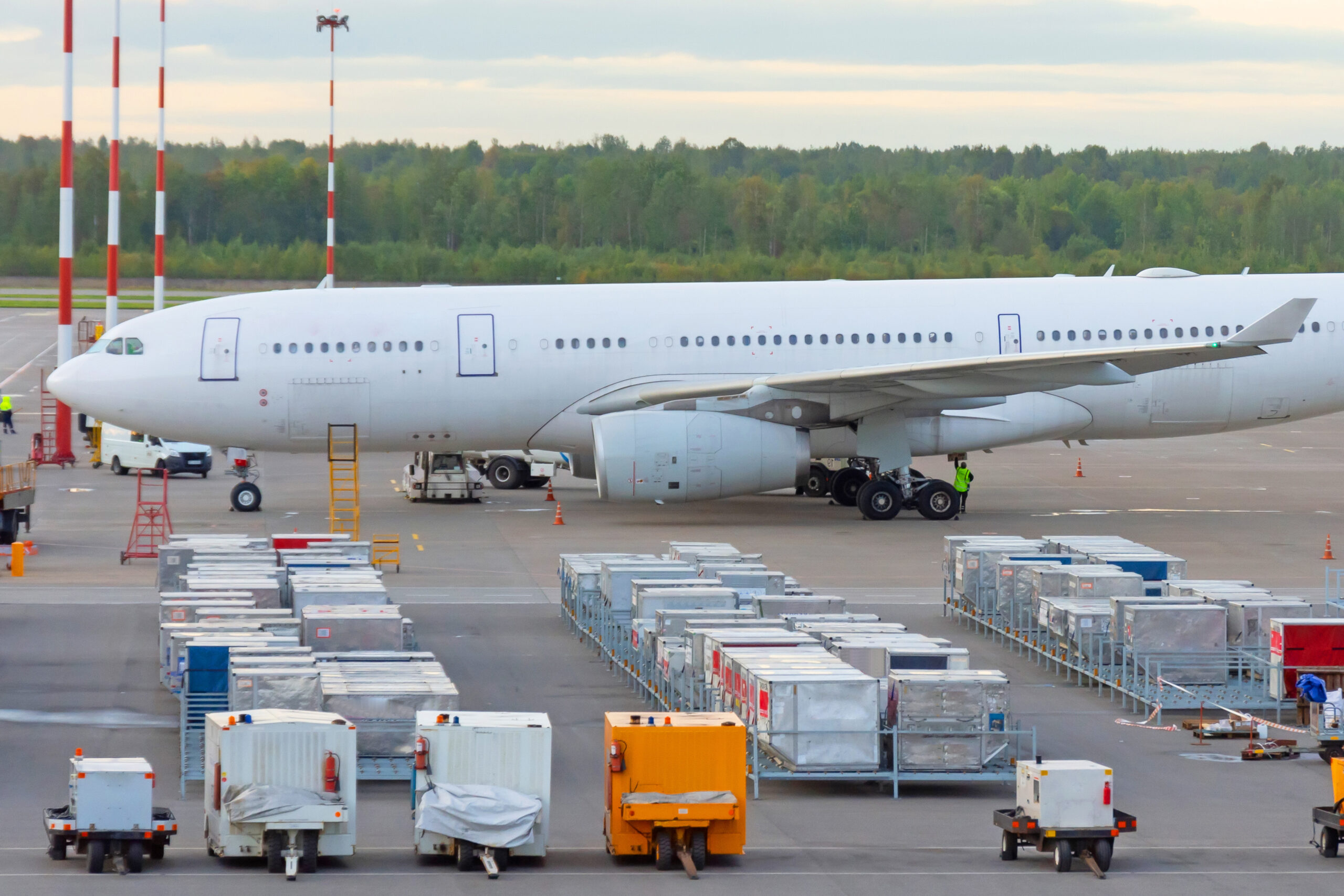
Airfreight—often referred to as air cargo—is the shipment and transfer of goods via an air carrier. Whether chartered or commercial, air transport moves commodities across domestic and international borders at speeds unmatched by road, rail, or sea. Because international trade demands lean inventories and rapid fulfillment, airfreight serves as an essential pillar of global supply chain logistics.
The Airfreight Shipping Process
Navigating airfreight requires coordinating multiple handoffs between shippers, freight forwarders, customs officials, and airlines. A standard air shipment follows a structured six-stage journey:
-
Booking and Documentation Setup
The shipper or freight forwarder secures cargo space with a carrier. Key documents prepared at this stage include the Commercial Invoice, Packing List, and the Air Waybill (AWB)—a non-negotiable legal contract detailing shipment specifications, flight routing, and handling conditions.
-
Origin Pickup and Consolidation
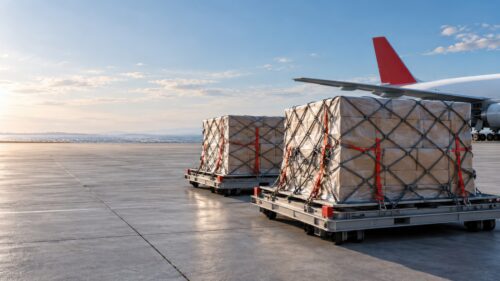
Goods are collected from the manufacturing facility or warehouse and brought to a local freight station. Forwarders often consolidate smaller parcels from multiple clients into standard Unit Load Devices (ULDs)—specialized pallets or containers designed to fit snugly inside aircraft cargo bays.
-
Export Customs Clearance and Security Screening
Before reaching the runway, cargo undergoes strict security screening (X-ray, explosive trace detection, or physical inspection) alongside customs compliance audits. Authorities verify tariff codes, export licenses, and valuation.
-
Aircraft Loading and Flight Transit
Ground handling crews load the ULDs into the aircraft belly or main deck. Weight distribution and balance calculations are performed to guarantee flight safety before takeoff.
-
Import Customs Clearance
Upon landing at the destination airport, cargo enters bonded storage while customs brokers submit import declarations, manage duties or taxes, and clear regulatory health or agricultural checks.
-
Deconsolidation and Final-Mile Delivery
Cargo is unpacked from ULDs, sorted, and handed over to domestic road freight carriers for final-mile delivery to the distribution hub or receiver’s doorstep.
Types of Airfreight Services
Airlines and logistics providers segment air cargo based on delivery urgency and aircraft utilization:
| Freight Category | Operational Structure | Best Suited For |
| Belly Cargo (Passenger Flights) | Utilizes available luggage compartment space below the passenger deck on commercial flights. | Routine shipments, standard commercial freight, e-commerce parcels. |
| All-Cargo Aircraft (Freighters) | Dedicated cargo planes (e.g., Boeing 747-8F, 777F) featuring specialized main decks with roller floors and wide loading doors. | Oversized industrial machinery, bulk volumes, hazardous materials. |
| Air Charters | Exclusive rental of an entire aircraft for a bespoke route and schedule. | Time-critical emergencies, remote-location deliveries, humanitarian aid. |
| Express / Next-Flight-Out | Integrated courier services with guaranteed transit times, priority boarding, and dedicated sorting hubs. | High-priority documents, urgent replacement parts, medical donor organs. |
Cargo is also categorized by handling profile:
-
General Cargo: Dry, non-perishable goods that do not require special climate control, security, or handling precautions (e.g., textiles, electronics, dry retail goods).
-
Special Cargo: Goods demanding specialized operating conditions, including perishable and temperature-controlled cold chains (pharmaceuticals, fresh produce), live animals (AVI), dangerous goods (lithium batteries, chemicals), or high-value items requiring armed security escorts.
Key Advantages of Airfreight
While air cargo generally carries higher operational rates per kilogram than maritime shipping, the strategic advantages frequently offset transport expenses:
-
Unrivaled Transit Speed: While ocean freight across major transpacific or transatlantic corridors often takes three to six weeks, airfreight shortens transit times to 24 to 72 hours.
-
Tighter Supply Chain Predictability: Flight timetables run with high departure frequency and strict punctuality. Unlike ocean vessels vulnerable to port congestion and maritime chokepoints, air transit rarely experiences extended logistical delays.
-
Lower Inventory Carrying Costs: Rapid, reliable delivery schedules allow companies to operate just-in-time (JIT) production models, keeping less buffer stock in warehouses and reducing overall working capital requirements.
-
Higher Cargo Security: Airports are among the most heavily secured transit nodes in the world. Strict physical access controls, biometrics, and active surveillance minimize cargo theft, damage, and pilferage.
-
Reduced Packaging and Insurance Premiums: Because air transit involves smooth transit surfaces, shorter exposure durations, and minimal physical shifting compared to open-sea journeys, goods require less heavy crating, reducing packing waste and cargo insurance fees.