
AI and TMS Integration
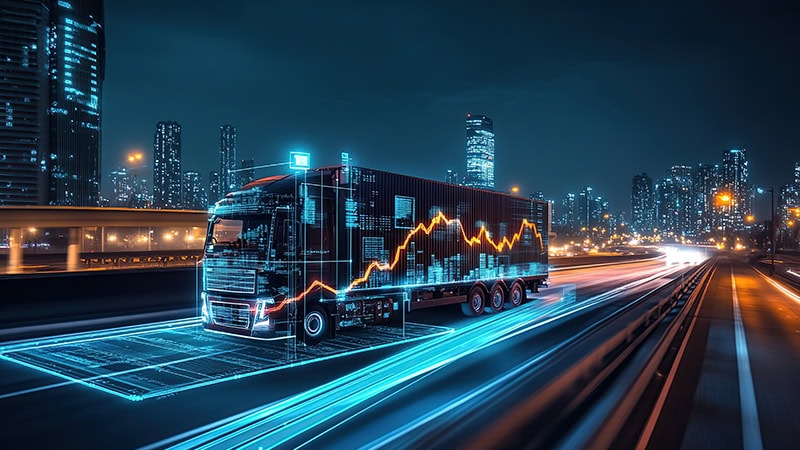

For decades, the core transportation management system (TMS) served as the reliable engine of enterprise logistics. Today, an exciting age of enhancement is upon us and just in time, too.
In an era defined by volatile supply chains and unpredictable disruptions, static planning is legacy. But guess what? You need not completely replace legacy TMS infrastructure. Instead, augment it with an intelligent layer: the strategic integration of artificial intelligence.
Bridging the gap between legacy systems and modern TMS/AI is not an impossible technical hurdle; it is a doable modernization strategy. Let’s look at the process.
First, the existing data is checked to ensure high data quality and compatibility across disparate systems. GIGO (garbage in/garbage out) on AI is not fun.
Next, the AI is laid over the existing enterprise resource planning (ERP) system via APIs, which allows the legacy TMS to remain in charge while AI feeds it dynamic instructions.
Then comes testing, testing, and more testing. A human is kept in the loop because we all have been told AI can make mistakes.
Integrating AI and TMS is already being done. Today’s AI-enhanced platforms process hundreds of variables concurrently—from real-time traffic conditions and severe weather to driver compliance, emissions thresholds, and dynamic cost fluctuations. Instead of relying on pre-set, pre-planned routes, operations can now achieve continuous re-optimization as real-world disruptions wreak havoc on your product flow.
One case history we covered shows a global carrier integrating AI routing engines and successfully reducing driving distances by more than 100 million miles annually. Besides the obvious benefits, it also resulted in saving millions of gallons of fuel and cutting corporate carbon footprints.
Similarly, a leading third-party logistics provider deployed powered AI to ingest, validate, and process complex transport data, allowing them to handle 30% more volume with the same workforce size while drastically improving response speeds to their customers’ inquiries. Those benefits are passed to you.
Of course, if you are large enough to be running your own TMS, you too can get similar AI overlay results.
Either way, the efficiency of a TMS/AI is real. There’s nothing artificial about that.