
Articles
Cross-border Trade
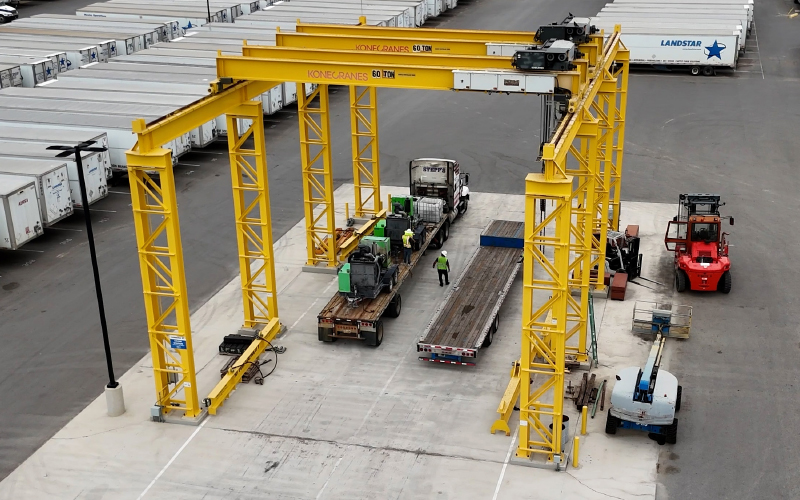
Heavy Haul At the U.S.–Mexico Border: What It Takes to Keep Complex Freight Moving
Cross-border heavy haul shipping requires coordination across regulations, infrastructure, and operational teams.
Read More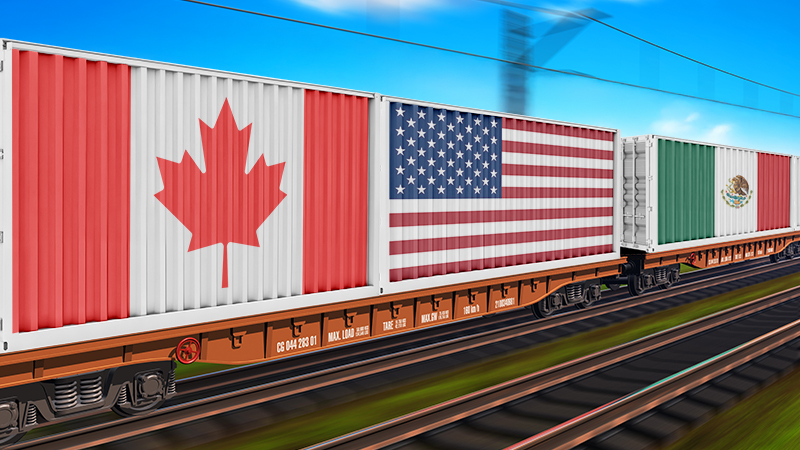
Cross-Border Logistics Solutions: Keeping Freight in Motion
As nearshoring trends and tariff regulations reshape North American freight flows, shippers turn to experienced logistics partners to manage complexity, ensure continuity, and keep goods flowing smoothly across borders.
Read More
Driver Shortage—or Market Reset? How Compliance, Demographics, and Capacity Are Reshaping Freight
By Amy Roach | April 24, 2026 The trucking industry’s long-running “driver shortage” debate has taken on new urgency in 2026. But this year, the shortage doesn’t look quite the way it used to. As freight markets begin to tighten after years of excess capacity, a mix of regulatory enforcement, demographic pressure, and shifting labor […]
Read More
Tariff Ruling, Refund Uncertainty and Border Violence: Mounting Risk for Supply Chains
By Amy Roach | February 24, 2026 A trio of fast-moving developments is reshaping the risk landscape for supply chain and logistics leaders: the recent U.S. Supreme Court ruling that invalidates key tariffs imposed under emergency powers; mounting legal and political uncertainty over whether importers will receive billions in tariff refunds; and escalating cartel violence […]
Read More
New U.S. Tariffs on Heavy Trucks and Pharmaceuticals Test Global Supply Chains
The latest U.S. tariff package targets imported heavy trucks and branded drugs, creating new challenges—and potential opportunities—for manufacturers, fleets, and global supply chains.
Read More
What Is a Bonded Warehouse? Why It Matters More Than Ever in Global Logistics
Whether you’re expanding to new markets, trying to manage costs, or simply looking to strengthen your logistics strategy, bonded warehousing deserves a closer look.
Read More
Cross-Border Trade in North America: Uncertain Times, Tried-and-True Solutions
Logistics providers can offer deep understanding of customs and regulations, as well as technology and capacity that can streamline operations and move shippers’ goods safely and efficiently—no matter the geopolitical environment.
Read More
Navigating Tariff Shifts: How U.S. Foreign-Trade Zones Help Supply Chains Stay Resilient
As global trade faces uncertainty amid shifting tariffs, economic nationalism, and ongoing geopolitical friction, U.S. businesses are increasingly turning to Foreign-Trade Zones (FTZs) as a powerful tool to remain competitive. The U.S. is home to more than 230 approved FTZ projects and nearly 400 subzones, collectively supporting 600+ warehouses across the country. These special zones […]
Read More
Global Supply Chain Strategies: Certain Uncertainty
Global trade faces mounting uncertainties, from shifting geopolitical tensions to the ever-present risk of natural disasters. To stay resilient, organizations must cultivate leaders with geopolitical expertise, enhance supply chain redundancy, and leverage technology for faster, data-driven decision-making in an unpredictable landscape.
Read MoreThe Impending Death of De Minimis: Supply Chains Navigate Cross-Border Shakeup
The impact of ending the de minimis loophole in the United States can hardly be overstated. Will it completely go away? Will ecommerce cross-border shipping become prohibitively expensive as a result? Here’s one expert’s take on what’s next.
Read More
9 Regulations Reshaping Global Logistics: Here’s How to Decode Them
Navigating the complex maze of regulations—from CBAM to the UFLPA—can feel like searching for hidden words in a difficult puzzle. With increased scrutiny on environmental, labor, and consumer impacts, global supply chains must stay ahead of the shifting regulatory landscape.
Read More
ProTrans Provides an Integrated Solution With Synergistic Collaboration
The ProTrans group of companies collaborates to expand services for customer needs—both domestic and international.
Read More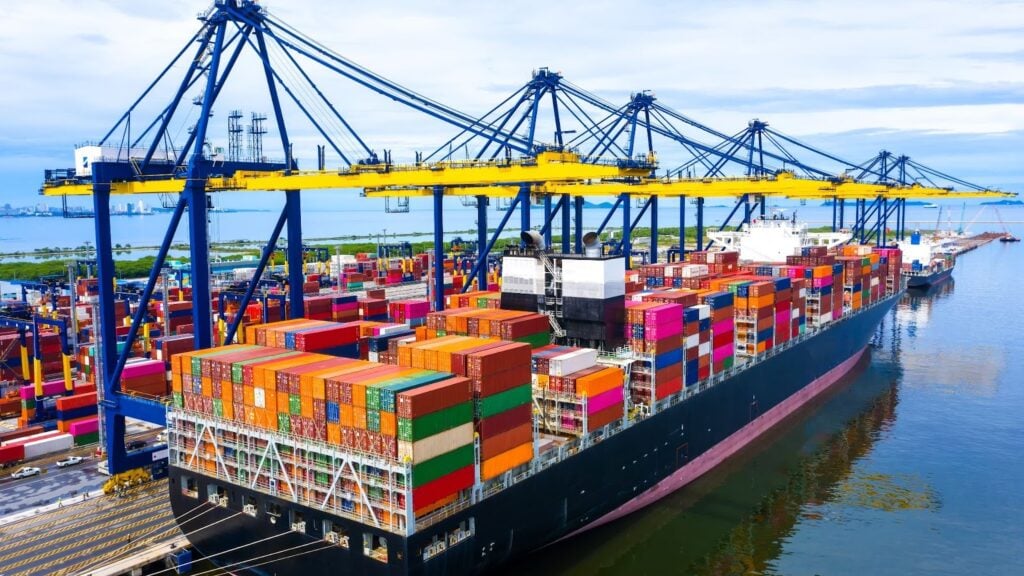
Received for Shipment Bill of Lading: Definition, How It Works, and Importance
Introduction Received for shipment is a critical status in international shipping that directly impacts exporters, importers, and freight forwarders. For these stakeholders, understanding the “received for shipment” status is essential because it determines when risk and responsibility for cargo transfer, affects payment processing, and ensures compliance with international trade regulations. A Received for Shipment Bill […]
Read More
Alternative Routing: Go Another Way
In the face of constant supply chain disruptions and unexpected events, shippers must be ready to reroute at a moment’s notice. Finding the road—or waterway— less traveled can sometimes make all the difference for transportation success.
Read More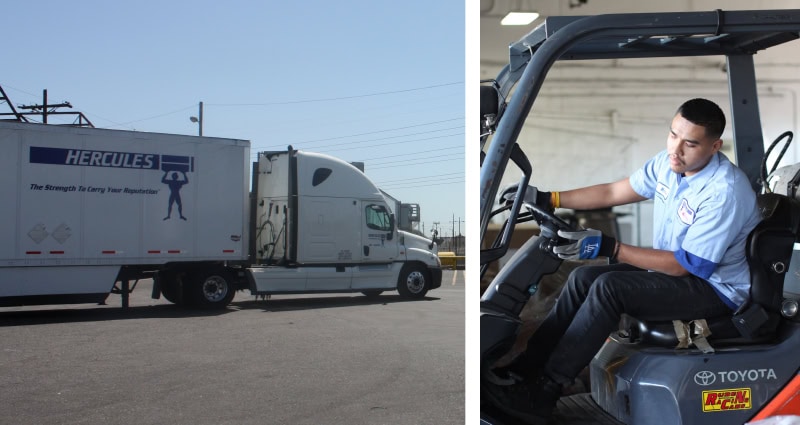
American Standard: Flushed With Success
As a leading North American brand, American Standard has been offering innovative products for more than 150 years. One of its products—the humble but essential toilet—is practically synonymous with the company name.
Read More
Nearshoring: Partners Lead the Way in Mexico
Establishing operations in Mexico can streamline and shorten your supply chain. These companies can help you reap the benefits and overcome the challenges of nearshoring.
Read More
Friendshoring: Definition, Benefits, and Challenges
Friendshoring is shaping international trade by reinforcing supply chains and fostering economic ties. It boosts supply chain resilience and strengthens diplomatic relations, helping businesses manage global market complexities. However, challenges like higher costs and limited country choices require careful consideration.
Read More
North America: Navigating Cross-Border Trade
U.S.-based companies are looking to master cross-border trade in North America—amidst supply chain upheavals, rising production costs in many other parts of the world, and a strengthening initiative to produce closer to primary markets.
Read More
Are You Prepared for New Regulations?
Those of us who hoped we’d quickly get back on track after the notoriously shaky supply chains of 2020 and 2021 have been left wanting. A confluence of factors has come together to create further disruption across global supply chains, with some poised to only get worse.
Read More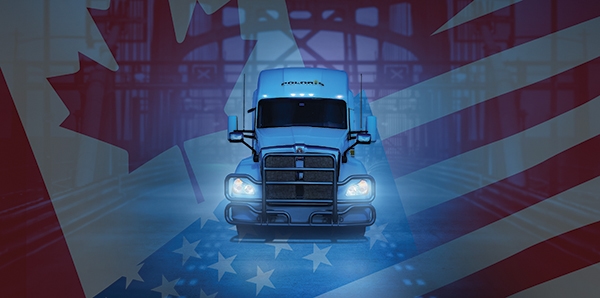
Technology, Sustainable Growth, and Collaboration Drive Success for Polaris Transportation Group
Brand Promise: To provide industry-best cross border supply chain solutions and customer experiences through innovation and technological development while focusing on our people, customers and communities.
Read More