
Articles
Content Partners
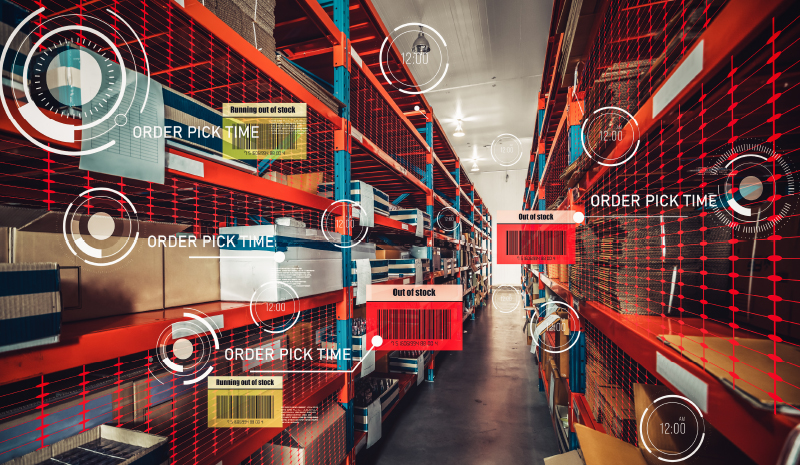
How to Improve Your Warehouse Picking Process During Peak Seasons and Returns
Improving a warehouse picking process doesn’t always require a major automation project. Address one bottleneck at a time and expand capabilities as your needs evolve.
Read More
10 Tips to Reduce Hidden Costs in Your Supply Chain
Sharp-eyed supply chain leaders closely watch metrics that include labor costs and inventory levels. But some of the biggest expenses don’t show up as budget line items. Product damage, equipment downtime, and other inefficiencies can quickly, yet quietly, chip away at profitability. Uncovering hidden costs helps supply chain managers improve performance while staying focused on the big picture.
Read More
Preserving the Perishable: Cold Chain Solutions Stay Fresh
With consumers demanding more fresh foods and product integrity at a premium, shippers turn to providers equipped to navigate a volatile and demanding landscape.
Read More10 Tips for Smarter Spotting and Shuttling: Service, Safety, and Continuous Improvement
The best logistics partners are not just vendors; they want you to win. They lead with service, safety, and continuous improvement, and use all three to actually save you money. It matters, because poor yard operations are costly: driver detention alone cost the trucking industry $15.1 billion in 2023, with 72 million gallons of fuel […]
Read More
Port Update: Shoring Up Supply Chains
Far more than cargo docks, ports and port-supporting organizations lift their communities and spur economic development.
Read More
When Shared Warehousing Beats Signing a Warehouse Lease
The lease proposal has been on your desk for a week. The term is five years. The footprint is bigger than you need, because everyone says buy for the peak. Meanwhile, your building is full. Receiving is staging pallets in trailers, and outbound is slipping. Before you sign, price the other path. Shared warehousing through […]
Read More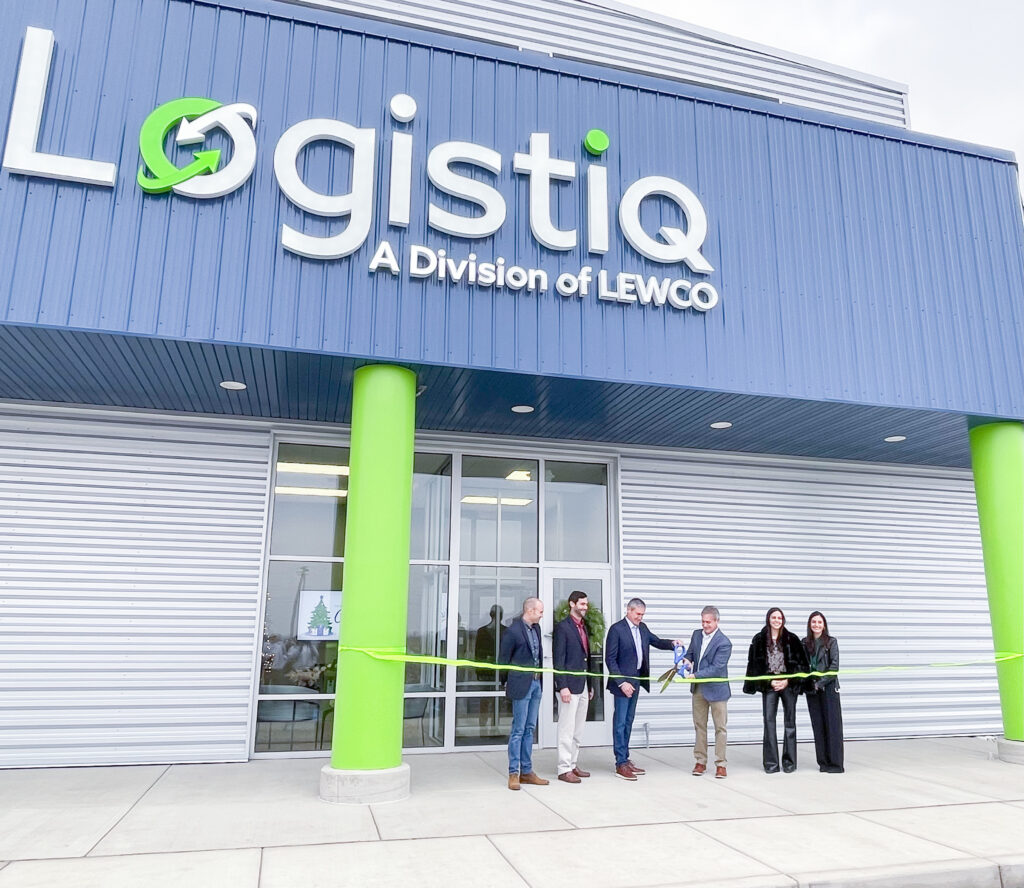
Fit Happens When You Start With Curiosity
Every distribution operation has its own rhythm. Different products, different volumes, different growth plans, different budgets. Which makes you wonder why so many material handling system providers equip systems with capacity or features that you don’t need — or under-spec and leave out ones that you do. At LogistiQ, we believe the best material handling […]
Read More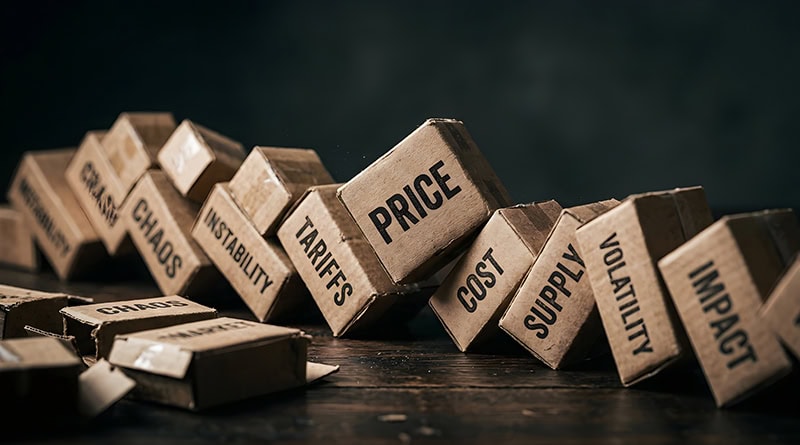
Rethinking Supply Chain Strategy In an Era of Persistent Volatility
Q. What’s different about what shippers are facing in 2026 versus prior years of disruption? A. Over the past five or six years, supply chains have been challenged like almost never before. A first round of tariffs, then COVID, then more tariffs, various conflicts, and now renewed trade policy volatility. As I’ve described it, it’s […]
Read More
Overcoming Geopolitical Uncertainty and Turning Challenges into Opportunities
Q. What are some notable shifts and opportunities facing the freight market? A. Many consumers of raw and finished commodities continue to search for alternative sources—enter Latin and South America. These channels heading both north and south are becoming more favorable than ever. The border between Mexico and the United States has seen its challenges, […]
Read More
Creating a Responsive and Scalable Rail Supply Chain
Q. What are the biggest challenges facing rail shippers today? A. Rail shippers aren’t dealing with a lack of data—they’re dealing with too much of it in too many places. Across the supply chain, information is often fragmented across multiple systems, spreadsheets, and carrier touchpoints. At the same time, many organizations lack a rail strategy […]
Read More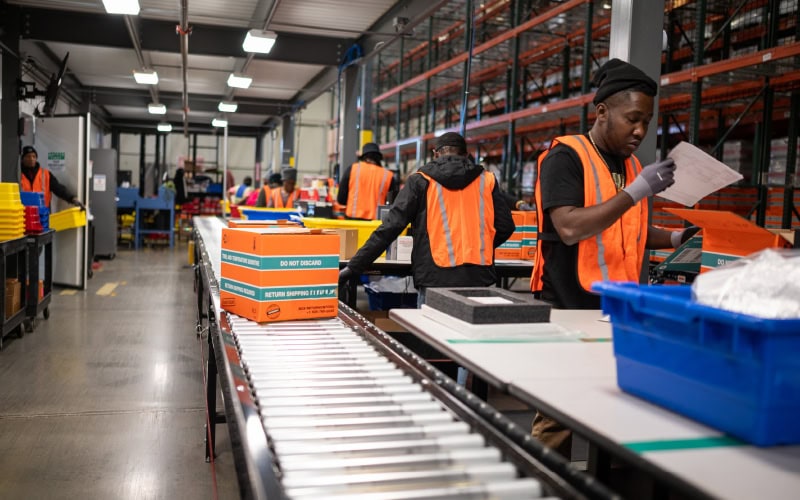
A Sustainable Partnership Provides a Custom Solution: Reusable Packaging
For 30 years, MD Logistics has served the pharmaceutical industry. The third-party logistics provider builds customized solutions to fit their clients’ unique supply chain needs.
Read More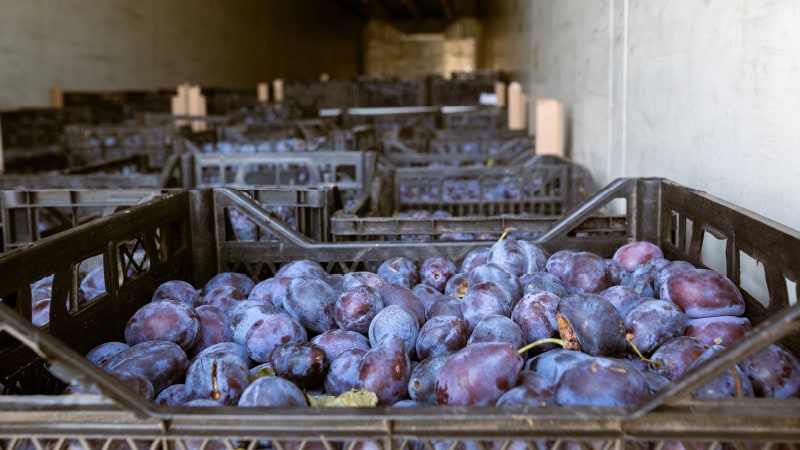
Keeping Freight Moving Through A Critical Transition
As Ahold Delhaize USA brought inbound freight management back in-house, Trinity Logistics helped ensure freight kept moving without disruption.
Read More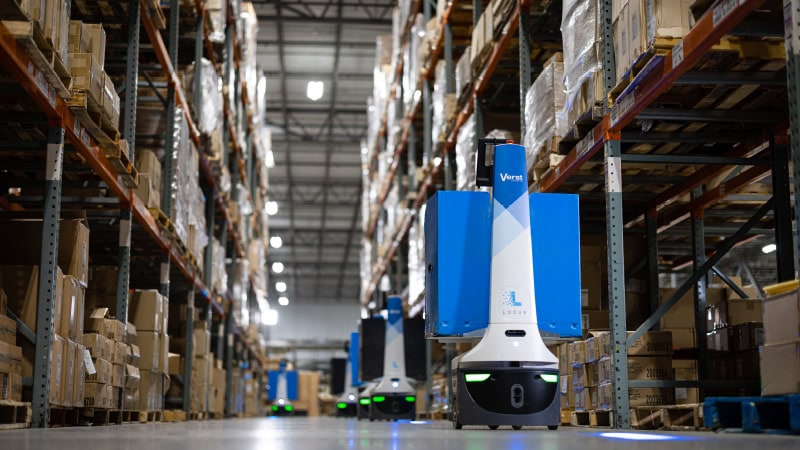
3PL Delivers Supply Chain Makeover for Beauty Company
Providing advanced ecommerce fulfillment, specialized hazmat handling, and intelligent shipping optimization, Verst Logistics streamlined and integrated its client’s supply chain operations.
Read More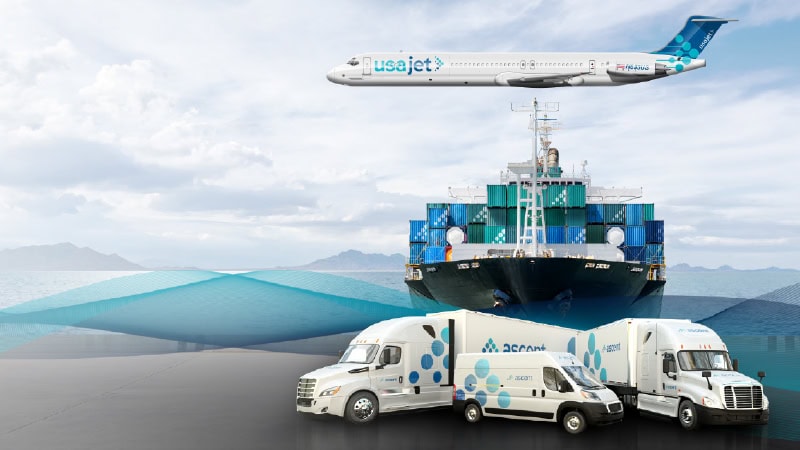
Build the Capability to Respond Fast
The margin between a manageable delay and a costly stoppage is razor-thin and continues to narrow. So if you’re preparing for disruption, you’re already behind.
Read More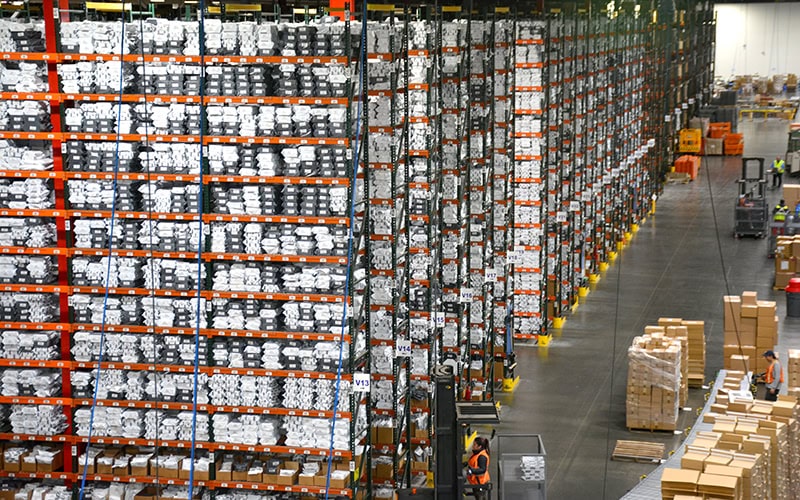
Barrett Distribution Centers: Turning a Security Challenge into a Cost-Savings Win
At Barrett Distribution Centers, we’re always looking for ways to do more than just move product — we want to move the needle for our customers. This case study is a great example of what happens when a strong partnership, some honest problem-solving, and the right technology come together.
Read More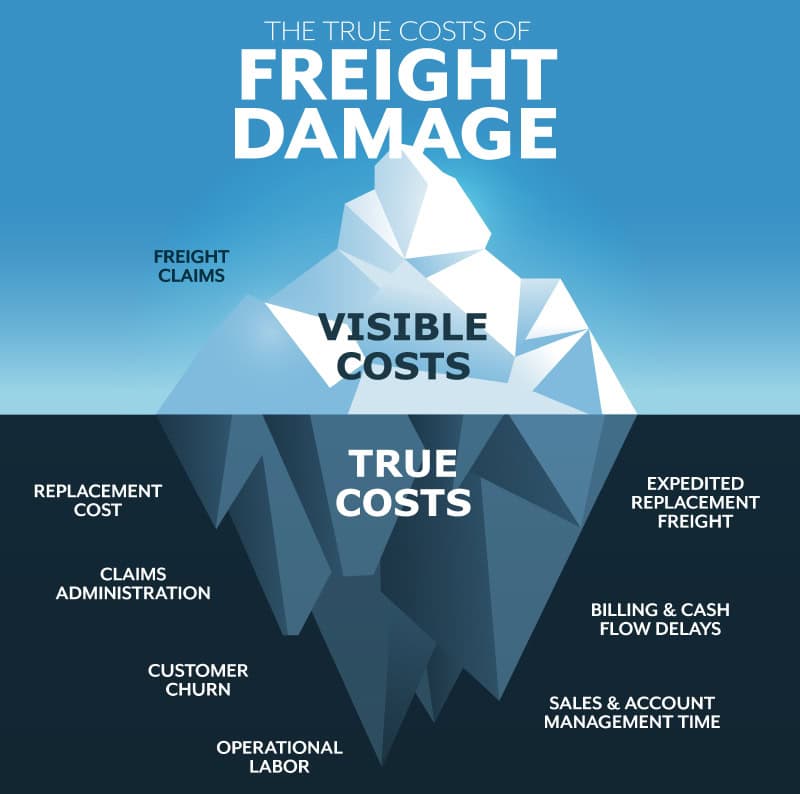
Freight Damage: The Claim Is Only a Fraction of the Cost
Most companies measure the claim. The smartest companies measure business impact.**
Read More
Building a Quality-Driven Cold Chain For Temperature-Sensitive Freight
How process alignment, monitoring, and documentation are reshaping expectations beyond temperature control
Read More
The Retail Freight Strategy That Gives Shippers an Edge
As the supply chain moves from back-office function to board-level priority, one logistics strategy has become a powerful tool for shippers: retail freight consolidation.
Read More
The New Operating Model For Warehouse Performance
Four pillars of high-performing operations have emerged: workforce resilience, operational flexibility, automation readiness, and performance management.
Read More
When P&L Stalls: What Your Freight Metrics Are Telling You
When profitability stalls, freight data often reveals where margin is quietly being lost.
Read More