
Articles
Commentary

WHAT’S THE WORD: The Language of Logistics
Cushioning Cargo Crush Profile How much compression, weight, or impact a load can withstand in shipment. Shippers should determine a load’s crush profile and work backwards from there to ensure they use the most suitable securement materials. A recent RXO study highlighted the importance of crush profile considerations and accounting for lane topography to calculate […]
Read More
Your Best AI Solution May Be Your 3PL
We are living through an AI gold rush as a massive explosion of venture capital-backed tech startups flood the logistics space. They all promise a magic-bullet AI solution or software overlay that will instantly solve your demand-driven logistics headaches. The hard truth is that these AI pop-ups lack foundational, dirt-under-the-fingernails logistics experience. They understand algorithms, […]
Read More
The Smart Money is Betting on Growth
Look past the daily spot rate noise and political soundbites for a second. If you want to know where the global economy is actually headed over the next decade, look at where the big maritime lenders are putting their billion-dollar balance sheets. For example Global Ship Lease (GSL) recently locked in a $1 billion, seven-year […]
Read More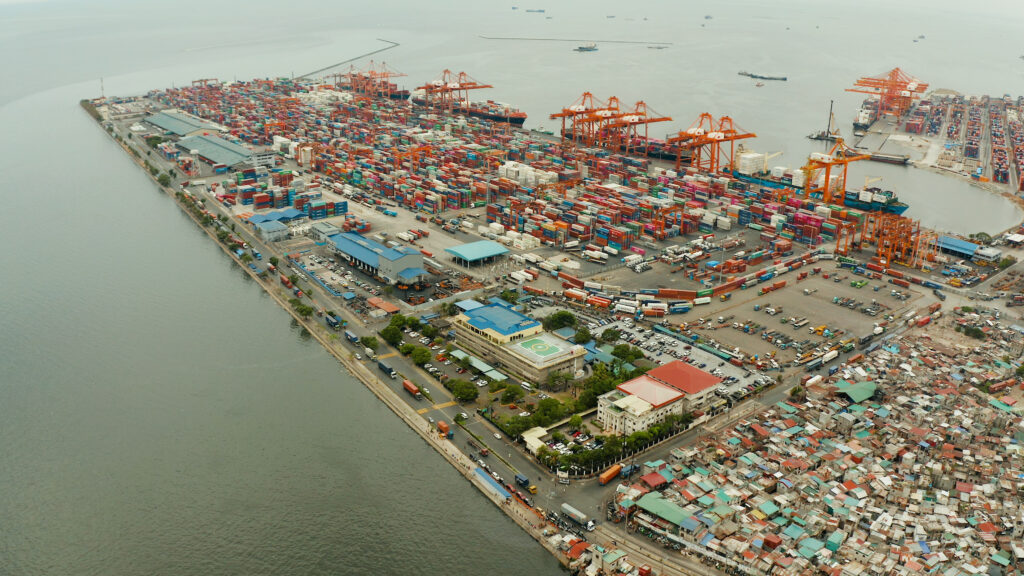
The Philippines Container Crisis — A Harbinger of Transpacific Friction
Do your Asia-Pacific supply lines touch Southeast Asia? Then dial into what’s going on at the Philippines ports of Manila, Batangas, and Subic Bay. What started as landside container imbalance and yard congestion is now a serious operational bottleneck. What’s the problem? Imports are heavily outstripping exports leaving empty cans piling up with nowhere to […]
Read More
Back to the Future: Deconstructing Processes and Reconstructing Roles in an AI-native Supply Chain
Everything old is new again. It has become a common refrain as digital transformation wends its way through consumer supply chains. Take the path to purchase, for example. Recommerce is returning to vogue as consumers value more sustainable and economical options. Cost-conscious shoppers are also turning to generic, private label brands, eschewing the premiumization fad that consumed CPG for much of the early 2000s.
Read More
Turning Automation Trends Into Reality
When MODEX took place in April 2026, it highlighted subtle changes shaping the warehouse automation sector. Now that we are months out, the trends on display in Atlanta are firmly taking root in real-world operations.
Read More
CBP Rule Pushes Compliance Upstream
A new rule proposed by U.S. Customs and Border Protection (CBP) replaces paper-based export records with a fully digital, pre-departure data requirement.
Read More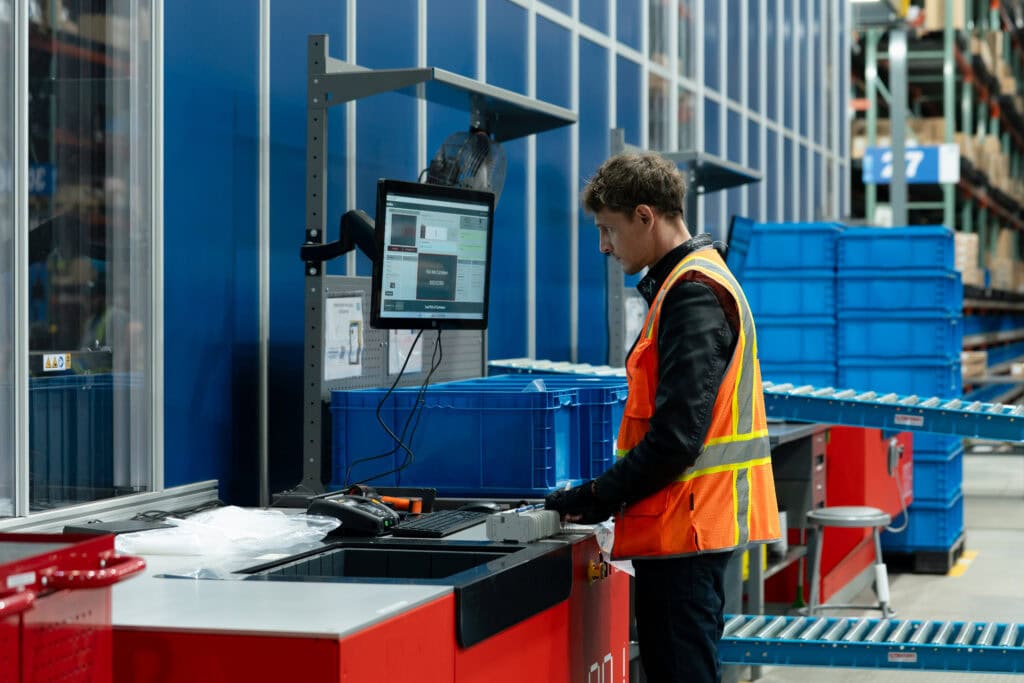
The Benefits of Optimizing Your Warehouse Space
Running a warehouse has never been more demanding. With labor shortages, rising real estate costs, and customers expecting faster fulfillment than ever, the pressure on logistics operations continues to mount. Fortunately, optimizing your warehouse space can address many of these challenges head-on, and the potential benefits are much bigger than many businesses realize. Faster Order […]
Read More
Improving Rotational Inventory Visibility
Managing rotational inventory requires tight coordination between procurement and repair cycles. In many supply chains, especially those handling repairable or reusable assets, even small visibility gaps can create significant operational risks. As inventory moves across multiple locations under strict timelines, delays or inaccuracies can quickly disrupt operations.
Read More
The Hidden ROI of Barcode Verification
For large retailers and manufacturers moving thousands of SKUs and pallets through inbound loading docks every day, barcode quality is a frontline compliance issue, a service-level requirement, and increasingly, a major financial risk.
Read More
Flexible 3PL Strategies Build Resiliency
Managing ongoing disruption in 2026 will be easier for companies that depend on flexible, highly adaptable third-party logistics (3PL) providers for warehousing, fulfillment, distribution, and other supply chain services.
Read More
7 Inventory Management Best Practices for Omnichannel Fulfillment
Accurate visibility, clear allocation rules, and channel-specific processes help retailers and brands fulfill orders more reliably.
Read More
5 Ways to Optimize Returns Handling
Escalating returns are a margin-shrinking problem for U.S. retailers, surging to nearly $850 billion and 15.8% of annual sales in 2025. With hefty return volumes straining warehouse workflows, ecommerce retailers are struggling to keep pace.
Read More
Why Intelligent Supply Chain Execution is the Next Big Advantage
We’re standing at the edge of a new era, where intelligent supply chain execution isn’t just a buzzword but the key to resilience, growth, and competitive advantage.
Read More
Cocoa Volatility Exposes a Blind Spot in Global Supply Chains
Few commodities illustrate the fragility of global supply chains as clearly as cocoa. Over the past two years, the market has moved through one of the most volatile price cycles of the past decade.
Read More
Why Integrated Logistics Facilities Matter
For importers, the most expensive breakdown in the supply chain often isn’t ocean freight or final delivery; it’s what happens in between.
Read More
3 Steps to Improve Visibility and Resilience
Supply chains are no strangers to disruption, but today’s environment is introducing a new level of complexity that manufacturers may have never seen before. For those not prepared, these pressures can quickly expose vulnerabilities across the supply chain.
Read More
No One Moves Freight Alone. IMCs and 3PLs Determine Who Wins.
Freight markets shift in cycles. This one is being driven largely by trucking, not intermodal, with capacity attrition pushing freight to rail. Whether intermodal keeps that freight is a different question, and the answer starts with a function most of the industry still gets wrong. It’s the function that intermodal marketing companies perform every day […]
Read More
Why Growing Companies Wait Too Long to Adopt a TMS (And What it Costs)
Growth is a positive signal that organizations work toward. But what happens when transportation starts absorbing the strain?
Read More
How to Maintain Sustainability, Even During Disruptions
Supply chain disruptions have a way of stripping operations down to their essentials. In these moments, sustainability programs can easily be treated as optional—more of a “nice to have” than a core business necessity. But this is an outdated and strategically perilous mindset.
Read More